

SECRET SITE
Write across subjects
Grades 2-12 | ML Levels 3-5 | HANDOUT
Demonstrate comprehension via succinct summary writing
10 summary-writing techniques
Compare summarizing to ESPN SportsCenter.
Original Text – Live Game Action

Paraphrased – Play-by-Play Commentary

Summarized – Highlights
#1 Title-Wave Summary
Use text features as clues to the important information in nonfiction text.


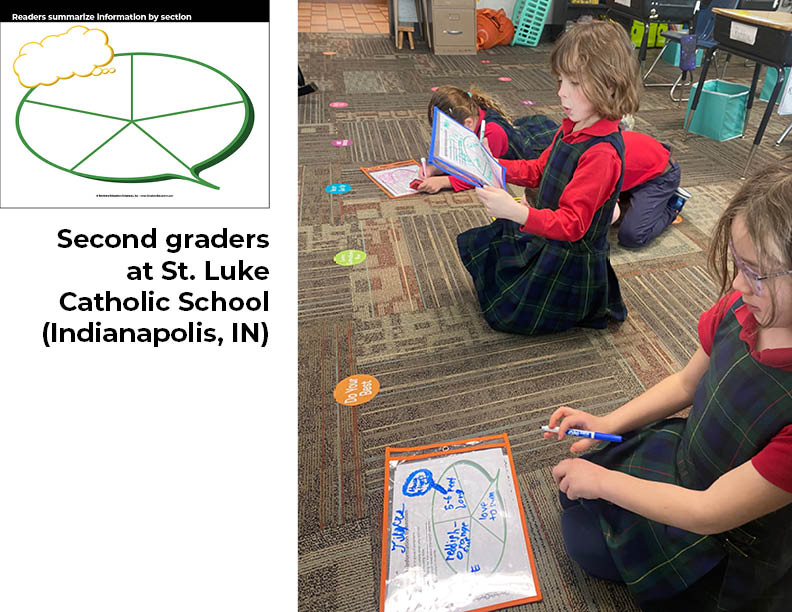
#2 Label the Subhead (PART 1)
Retell a section or excerpt of informational text.
List text details for that section.



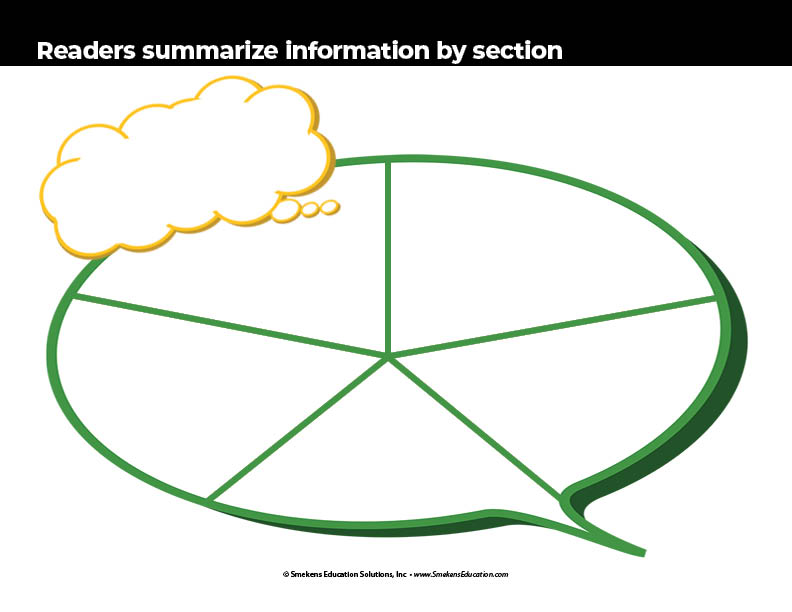
PDF | Green | Black
Google Slide | FigJam
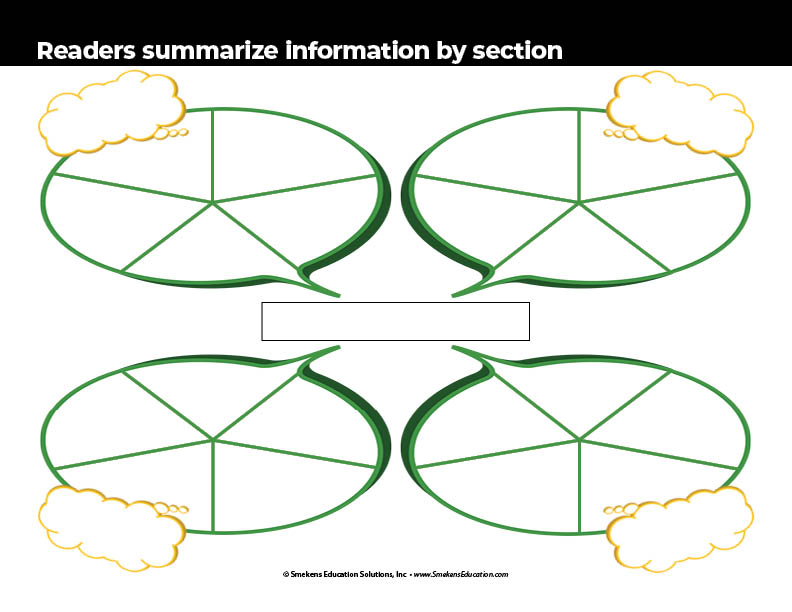
#3 Stretch & Stack Labels (PART 2)
Provide an accurate, objective summary of the informational text.

Example | Templates | PDF | Google Slide

OLDER READERS: Use the 1-3 word labels or mini-retellings from each section to generate the multi-sentence summary. Simply stretch each into a sentence and stack the sentences to follow the order of the original passage.


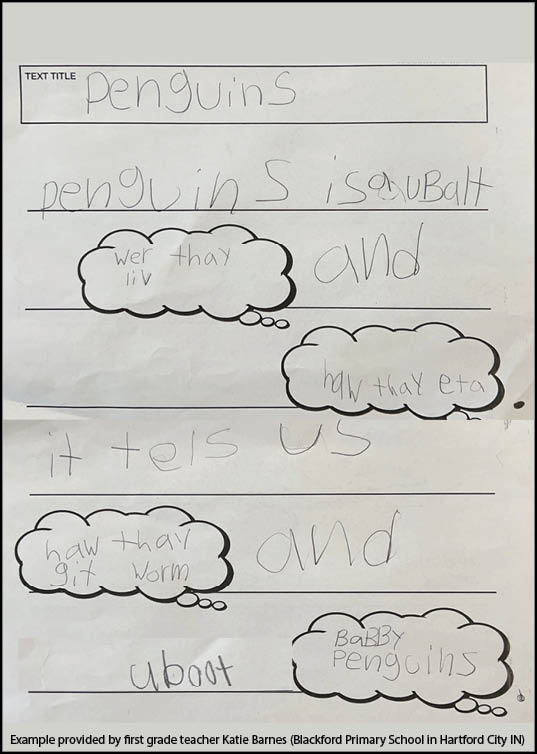
#4 Key-Word Summary
Integrate relevant vocabulary when summarizing short excerpts of text.
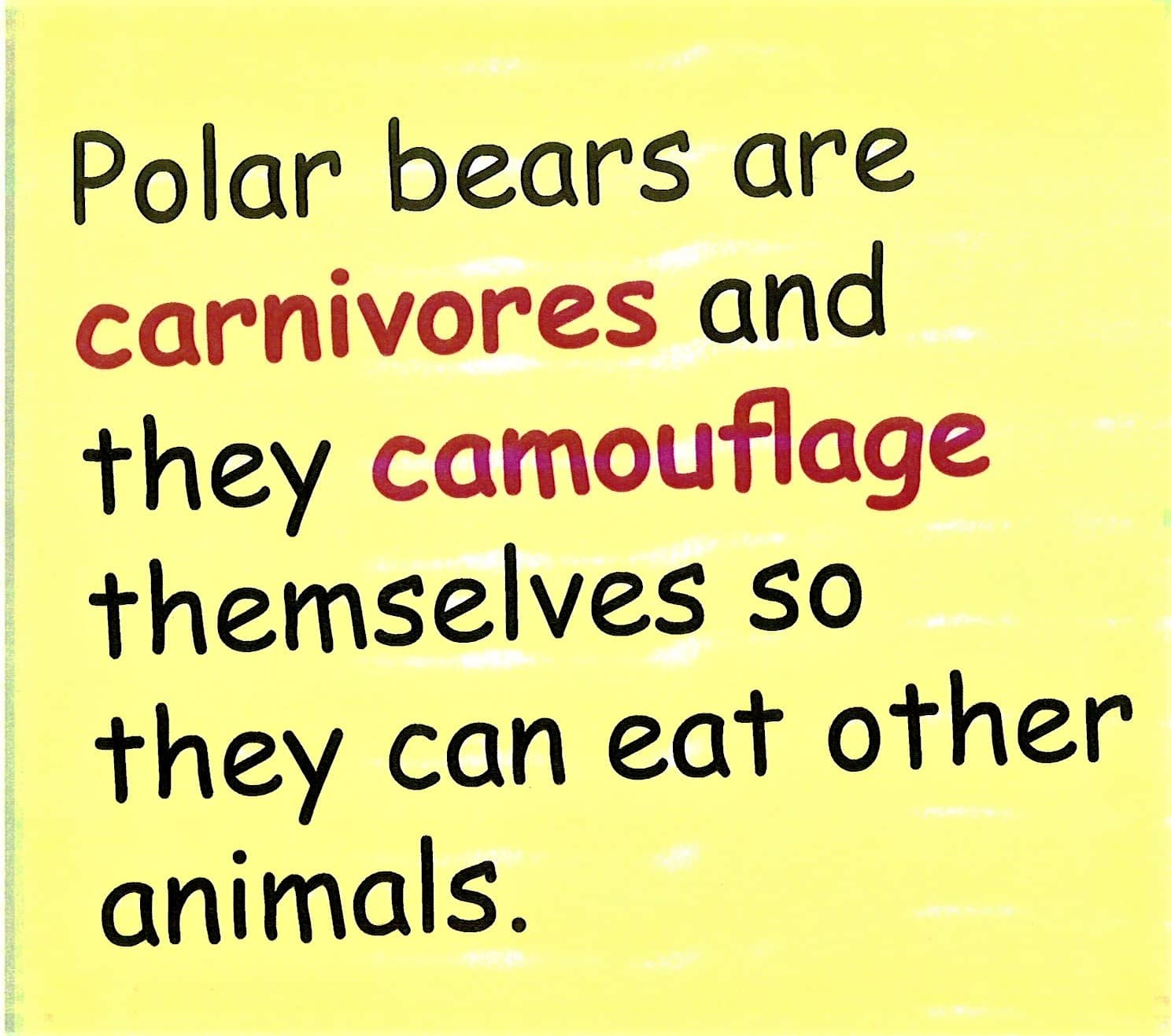
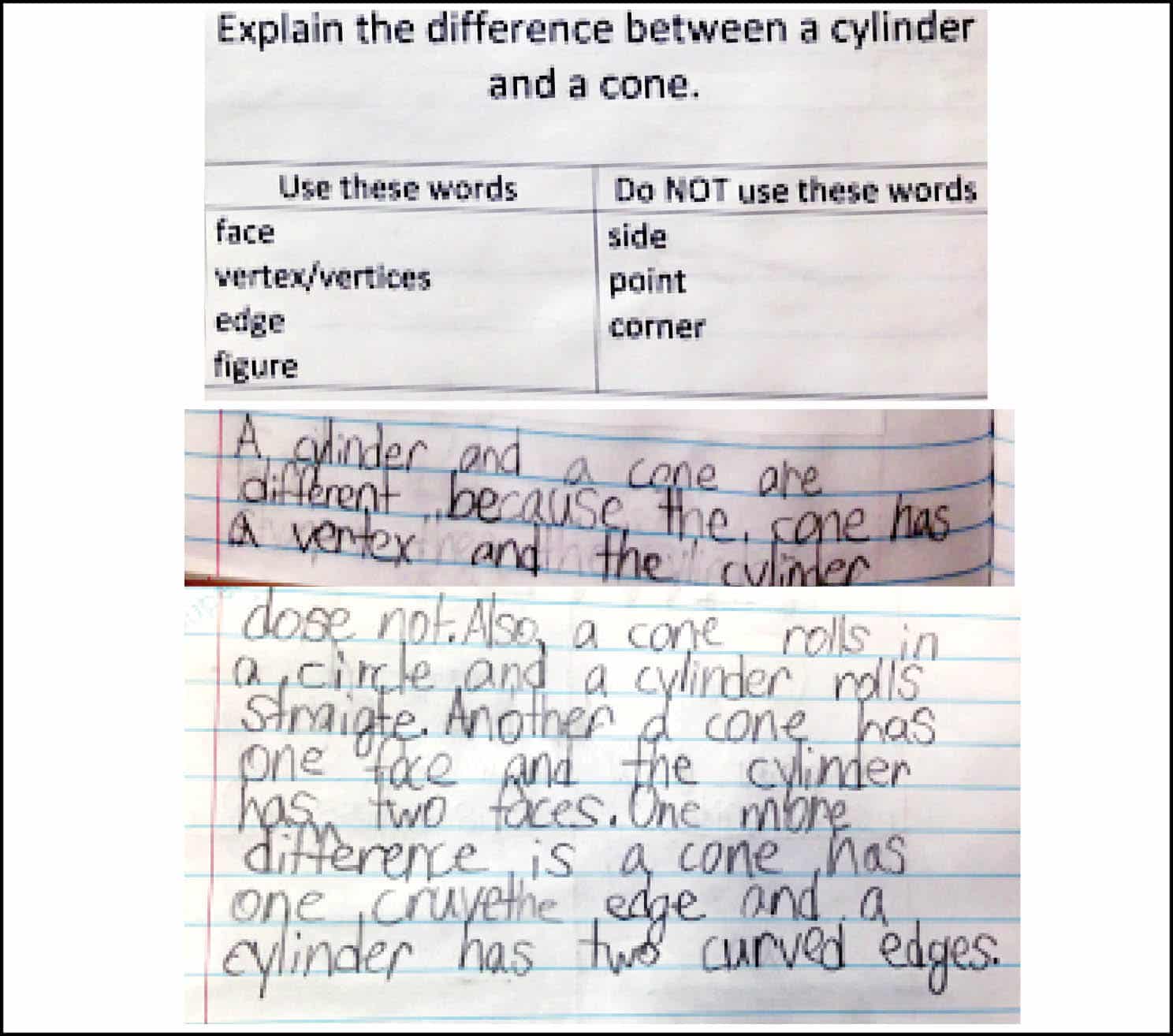
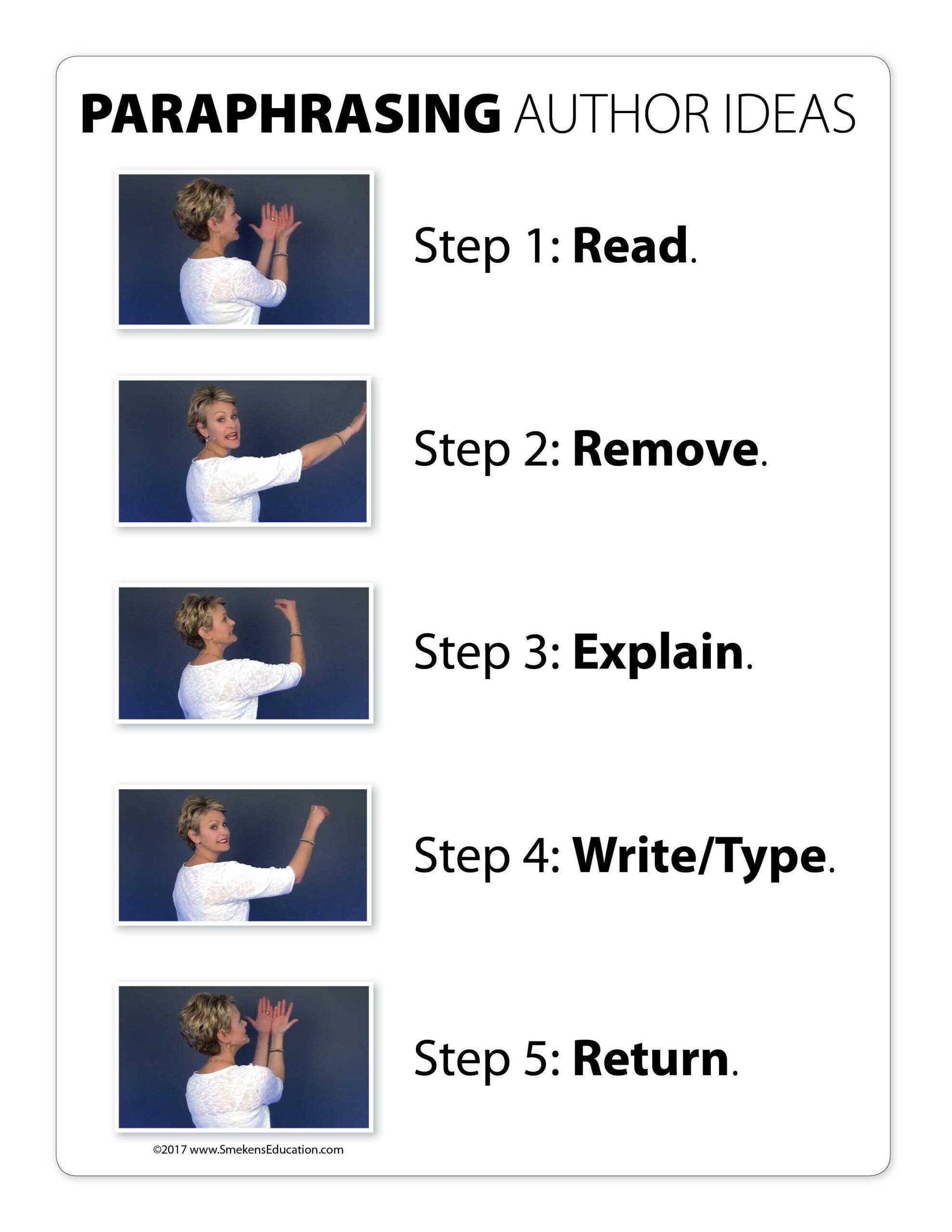
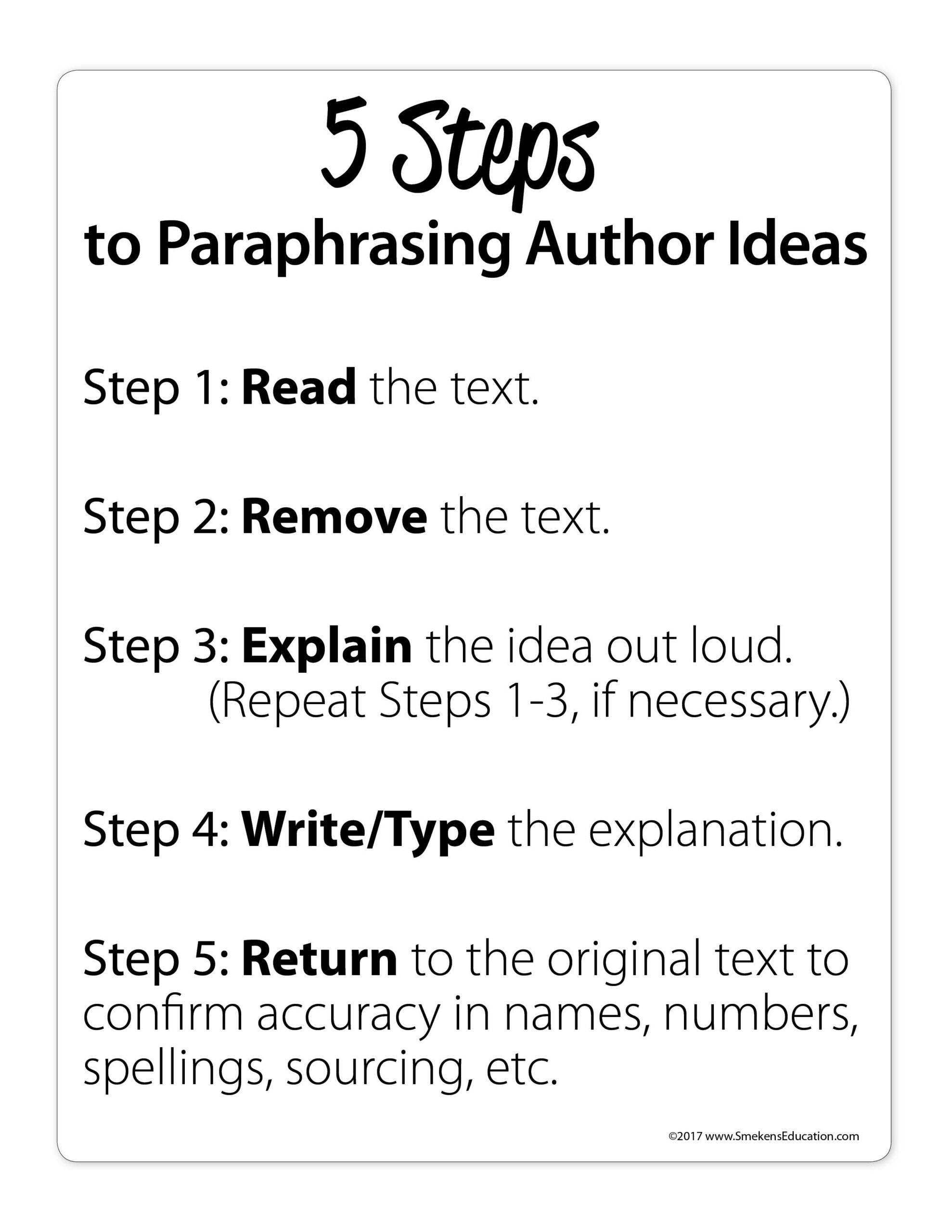
#5 5-Step Paraphrase
Retell an author’s ideas in your own words.
ORIGINAL EXCERPT
If there is plenty of food around, all pack members will feed at once. But if meat is scarce, the strongest wolves will eat first— and the youngest, the cubs, last.
PARAPHRASE


#6 Framed Summary
Expect longer, more comprehensive summaries of nonfiction texts—while providing skeletal organization.

#7 Information Pyramid
Capture a text’s big ideas in 10 words.

#8 Story Pyramid
Summarize short or long narrative texts.


BASIC Story Pyramid | PDF | Google Slide | Canva Advanced Story Pyramid | PDF | Google Slide | Canva | “Most Dangerous Game”
#9 Chapter Titles
Create one-sentence summaries for each chapter of a novel.


